
Baby Animal Expedition: Designing Pacing for Discovery
This adventure's design brief was robust: capture the wonder of new life in the wild, using familiar backyard elements. We focused on crafting a playful expedition that organically escalates discovery, rather than a mere scavenger hunt.
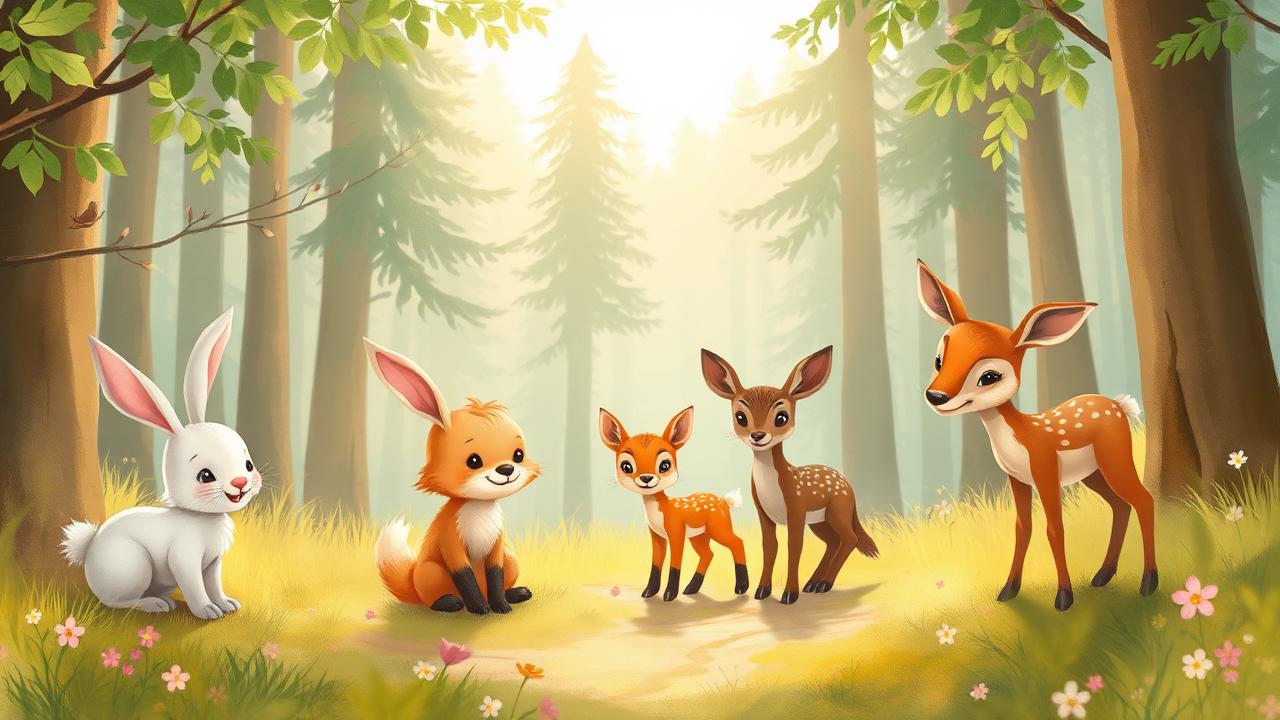
The Narrative Problem: Evoking Instinctive Curiosity
The primary design question for the Baby Animal Expedition wasn't about finding items; it was about fostering a sense of gentle yet compelling discovery. How do you create an experience where each 'find' feels like a genuine encounter with a creature in its natural habitat, even if that habitat is a backyard? We aimed to move beyond the transactional 'find-the-thing' mechanic and instead focus on what we call 'instinctive curiosity' – that innate drive to observe, learn, and connect with the natural world.
To solve this, we avoided abstract puzzles and rooted every clue and task in animal behaviors or characteristics. For instance, a clue might reference a bird's nest or a squirrel's buried treasure. Each step had to logically lead the participant deeper into the 'wilds' of their own outdoor space, creating a micro-ecosystem where baby animals could conceivably thrive. This grounded approach ensures that the narrative flow supports the overarching theme of a wildlife expedition, rather than just a series of disconnected steps.
The key was to make the participant feel like an active, observant part of the environment, not just a clue-solver. This meant weaving in moments of observation and gentle interaction, setting the stage for the ultimate payoff: a 'discovery' that feels earned, not simply handed over.
Pacing Teardown: Escalating Encounters to Build Excitement
The pacing of the Baby Animal Expedition is structured as a series of escalating encounters, much like a real safari slowly reveals more magnificent creatures. We start with relatively 'easy-to-spot' animals or their signs, building confidence and observation skills. This initial phase serves as a gentle onboarding, allowing younger participants to acclimate to the 'expedition' mindset.
Mid-hunt, we introduce a 'surprise gate' — a clue that requires a slightly different mode of interaction or thought, perhaps involving a simple action like listening closely or looking under something unexpected. This shifts the pacing, preventing monotony and reigniting focus. It's a subtle beat change that primes the participants for the grander reveals to come.
As the hunt progresses, the clues become a little more descriptive, sometimes hinting at the animal's behavior rather than just its typical hiding place. This increases the cognitive load just enough to feel rewarding when solved, without becoming frustrating. Each successful discovery isn't just a found clue; it's a piece of the unfolding story, a 'sighting' that adds to their growing 'wildlife log'.
The final clues accelerate the pace slightly, creating a sense of nearing the grandest discovery. This is where the 'payoff structure' starts to converge, guiding participants towards a central location for the ultimate reveal, ensuring a strong finish that feels both conclusive and celebratory.
The Grand Unveiling: The Emotional Arc of Discovery
The emotional core of this adventure hinges on the finale's reveal. It's not just about finding a reward; it’s about completing a journey of observation and care. We engineered the finale to leverage the cumulative anticipation built throughout the expedition. The trick is to present the 'discovery' not as a static object, but as a scenario that invites interaction and empathy.
Instead of simply handing over a prize, the final clue leads to a 'nest' or 'den' of baby animal-themed items. The emotional punch comes from the implication that the participants have successfully navigated the 'wilds' to find and 'help' these vulnerable creatures. This creates a sense of achievement tied to nurture and protection, not just success in a game.
The 'reward' itself is positioned as 'supplies' for aiding the baby animals, rather than just 'prizes.' This reframes the entire hunt, transforming participants from mere players into junior wildlife protectors. This framing ensures the payoff is deeply aligned with the hunt's theme, making it resonate on an emotional level far more effectively than a generic treasure chest.
Three Remix Knobs: Customizing Without Compromising
First, the 'habitat detail' knob: You can extensively remix the descriptive language within the clues to match your specific backyard flora and fauna. If you have a prominent oak tree, make it the 'squirrel's sentinel watch.' If there's a rose bush, it becomes the 'hummingbird's nectar bar.' This grounds the general animal theme in your child's immediate environment, elevating immersion without altering the clue progression.
Second, the 'animal behavior' knob: While the core animal types are set, you can elaborate on their specific behaviors. Instead of just a 'fox,' think about 'a sleepy fox cub curled in its den' or 'a curious fox pup sniffing for scents.' This adds depth and educational value to each step, allowing you to subtly teach about wildlife while playing, without changing the overarching mechanics.
Third, the 'discovery narrative' knob: The overarching 'why' of the hunt can be easily adjusted. Instead of 'finding baby animals,' it could be 'gathering supplies for the baby animal's welcome party,' or 'documenting new hatchlings for the conservation society.' This reframes the adventure's purpose, giving you flexibility to align with your child's current interests while maintaining the hunt's structural integrity.
Departure from Generic Scavenger Hunt Templates
This design diverges significantly from a generic scavenger hunt by prioritizing narrative and emotional arc over mere item retrieval. A typical hunt focuses on the 'what' — what item to find next. The Baby Animal Expedition, in contrast, emphasizes the 'how' and 'why' — how a young explorer observes, learns, and contributes to the well-being of backyard creatures. Each clue isn't just an instruction; it's a step in a developing story.
Furthermore, the thematic integration here is deep, bordering on systemic. Every element, from clue riddles to the final reward, reinforces the central idea of nurturing and discovery. This is not a theme tacked onto a pre-existing hunt structure; it's a structure built intentionally around the delicate intricacies of baby animals and their environment, aiming for a more profound and memorable play experience.
Frequently asked questions
Can I integrate my own custom clues into this expedition's structure?+
Absolutely. The expedition is designed with flexible 'clue slots.' As long as your custom clues maintain the animal-centric theme and logical progression to the next hiding spot, they will fit seamlessly into the existing pacing and narrative without disruption. Focus on clues that mimic animal actions or locations.
How can I add another participant, like a younger sibling, without disturbing the hunt's flow?+
To include a younger sibling without compromising pacing, consider creating visual-only 'observation missions' for them immediately after each main clue resolve. For example, once a clue is found, the younger child's task might be to 'spot something fluffy nearby' or 'point to the tallest plant' while the older child reads the next clue. This keeps them engaged and feeling like an active contributor.
Which design choices are critical to the expedition's success and should not be modified?+
The core sequential progression of clues, leading to a central 'den' or 'nest' for the finale, is crucial for the intended emotional payoff. Additionally, the framing of the 'reward' as 'supplies' or 'care packages' for the baby animals, rather than just prizes, is fundamental to the narrative's integrity and should be preserved.
What's the typical design time investment for an adventure like this?+
Conceptualizing, writing, and refining a hunt with this level of thematic integration and narrative pacing typically involves a design team spending anywhere from 8 to 12 hours. This includes brainstorming the core premise, drafting clues, testing flow, and iterating on the finale's emotional impact.
More adventures like Baby Animal Expedition: Designing Pacing for Discovery
Explore more backyard scavenger hunt ideas
Hand-picked themed quests and seasonal adventures families love most.
Build your own Baby Animal Expedition: Designing Pacing for Discovery
Generate a fully personalized version of Baby Animal Expedition: Designing Pacing for Discovery — woven around your child's name, age, favorite characters and special touches, all inside this exact storyline.
Create This Custom Hunt →