
Pixie Pathfinding: Designing a Magical Fairy Garden Quest
Let's pull back the curtain on 'Pixie Pathfinding,' a scavenger hunt designed not just for discovery, but for a deliberate build-up of wonder. Our goal was to engineer a sense of enchantment, layer by layer, leading to a truly magical reveal.
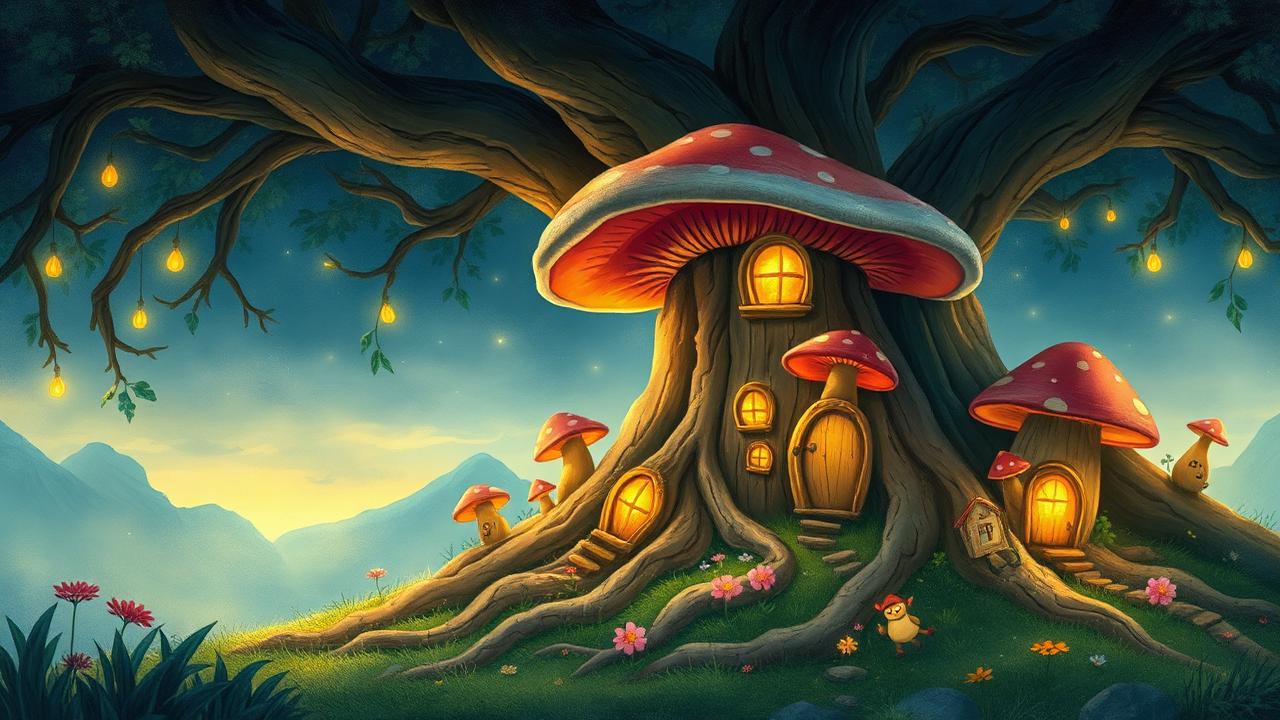
Engineering the Spark of Wonder: The Core Design Question
Our primary design challenge for 'Pixie Pathfinding' was how to make a scavenger hunt feel genuinely magical, not just physically challenging. We didn't want a series of disparate objects; we aimed for a cohesive narrative that immersed young adventurers in a tiny, unseen world. The question became: how do we pace discovery so that each clue doesn't just point to the next, but builds increasing belief in the presence of backyard fairies?
This meant moving beyond direct clues. Instead of 'find the rock,' we needed 'find where the dewdrop fairies sip nectar.' The environmental touchpoints had to be subtle, hinting at a hidden reality without being overt. The 'Fairy Garden Quest' had to feel like uncovering secrets from a miniature civilization, not just following instructions. Each interaction with the environment needed to reinforce the storyline of helpful, yet elusive, woodland sprites.
The Escalation of Enchantment: Pacing Through Secret Whispers
The pacing of 'Pixie Pathfinding' is a deliberate escalation from general observation to intimate discovery. The initial clues are broad, asking children to notice features of the garden as potential fairy waypoints. This sets an exploratory beat, encouraging a wide-angle view.
As the hunt progresses, we introduce 'surprise gates' – moments where a clue leads to the discovery of a small, inexplicable item (like a 'lost fairy slipper' or 'sparkle trail dust') that hints at specific fairy activity. This shifts the pacing from general exploration to focused investigation, deepening the lore. The clues become more specific, requiring closer inspection of natural elements, suggesting that the fairies trust the adventurers more as they prove their keen observation skills.
The penultimate clues involve a touch of 'minor peril' – perhaps a hint that a fairy's precious item is in a slightly tricky spot, requiring resourcefulness. This introduces a slight tension, elevating the emotional stakes before the final, grand reveal.
This carefully choreographed progression ensures that by the time children reach the finale, they aren't just finding a reward; they are fully invested in the narrative and emotionally primed for a magical payoff.
The Grand Reveal Moment: The Miniature World Unveiled
The key emotional trick of this design lies in its finale: the discovery of a pre-set, miniature fairy garden, or at minimum, a 'fairy portal.' Instead of simply finding a treasure chest, the adventurers uncover an entire, meticulously arranged tiny world that feels lived-in. This isn't just a reward; it’s confirmation that their journey has led them to the very heart of the fairies' hidden realm.
The setup of this finale is crucial. It must appear as if it has always been there, suddenly noticed by keen eyes. A tiny table with acorn cups, a twig ladder, a 'wishing stone' — these elements transform a simple treasure into an immersive narrative experience. The goal is to elicit a gasp of genuine wonder, the feeling of having peered behind the curtain of ordinary reality into something truly extraordinary.
Remix Knobs for Parent Designers: Adapting the Enchantment
Parents can adjust the 'complexity knob' by varying the subtlety of the fairy traces. For younger adventurers, make the 'lost items' more prominent. For older children, weave in more intricate lore about different fairy types or woodland magic, requiring them to 'decode' symbols or follow more abstract clues.
The 'interaction knob' allows for tweaking the level of physical engagement. Incorporate a 'miniature obstacle course' using natural elements for the fairies' journey, or introduce a simple craft component where children create an offering for the fairies before the final reveal.
Finally, the 'narrative depth knob' can be twisted. Instead of just finding a fairy garden, perhaps the mission is to help the fairies find a missing magical artifact, or to prepare their garden for a special moonlit gathering. This deepens the motivation for the hunt beyond simple discovery.
Beyond Generic Hide-and-Seek: A Narrative-Driven Expedition
This design diverges significantly from a generic scavenger hunt by prioritizing narrative immersion and emotional payoff over a simple checklist. A standard hunt might have clues like 'look under the slide' then 'check the red planter.' 'Pixie Pathfinding' instead delivers clues like 'where the buzzing nectar-collectors dance,' leading to a flowering bush, and ultimately, revealing a tiny, crafted world.
Every element, from the clue wording to the found objects, serves to build a cohesive story about a hidden fairy community. It's not about what you find, but about the world you discover along the way, carefully constructed to evoke wonder and belief in a secret, magical backyard. The design creates an experiential arc, culminating not just in a prize, but in a moment of genuine enchantment.
Frequently asked questions
Can I weave my own fairy lore into this adventure structure?+
Absolutely! The core structure is designed to be a framework for your personal fairy narratives. Feel free to introduce your own specific types of fairies, their unique habits, or even a localized 'fairy problem' that your children need to solve through the hunt, adding a custom layer of magic.
How can I integrate an additional explorer without disrupting the design's pacing?+
To integrate another child, consider creating 'parallel tracks' for observation, where two clues lead to different minor discoveries that are then combined to solve the next clue. Alternatively, assign each child a specific 'fairy role' (e.g., 'Nature Noticer' and 'Sparkle Seeker'), giving them distinct observation tasks that contribute to the collective progress without one out-pacing the other.
Which design elements are critical to preserve for the desired magical effect?+
The most critical elements to maintain are the escalating mystery, the subtle environmental hints, and especially the 'grand reveal' of the miniature fairy world. Avoid making early clues too direct or revealing, and ensure the finale feels like a discovery of an established place, not just a placed item. The 'whispers of enchantment' must build gradually.
What's the typical design cycle for an adventure like this?+
Designing an experience like 'Pixie Pathfinding' involves several iterations. We typically spend about 8-12 hours brainstorming themes, designing the core mechanics of wonder, writing and refining clue logic, and then testing the flow to ensure the emotional pacing and reveal land as intended. The most time-consuming part is often ensuring the narrative cohesion from start to finish.
More adventures like Pixie Pathfinding: Designing a Magical Fairy Garden Quest
Explore more backyard scavenger hunt ideas
Hand-picked themed quests and seasonal adventures families love most.
More fairy adventures
Build your own Pixie Pathfinding: Designing a Magical Fairy Garden Quest
Generate a fully personalized version of Pixie Pathfinding: Designing a Magical Fairy Garden Quest — woven around your child's name, age, favorite characters and special touches, all inside this exact storyline.
Create This Custom Hunt →