
Woodland Animal Rescue: Cultivating Empathy and Observation Skills
Engage your child's natural curiosity and foster a sense of compassionate responsibility with a backyard adventure that gently introduces ecological awareness and problem-solving.
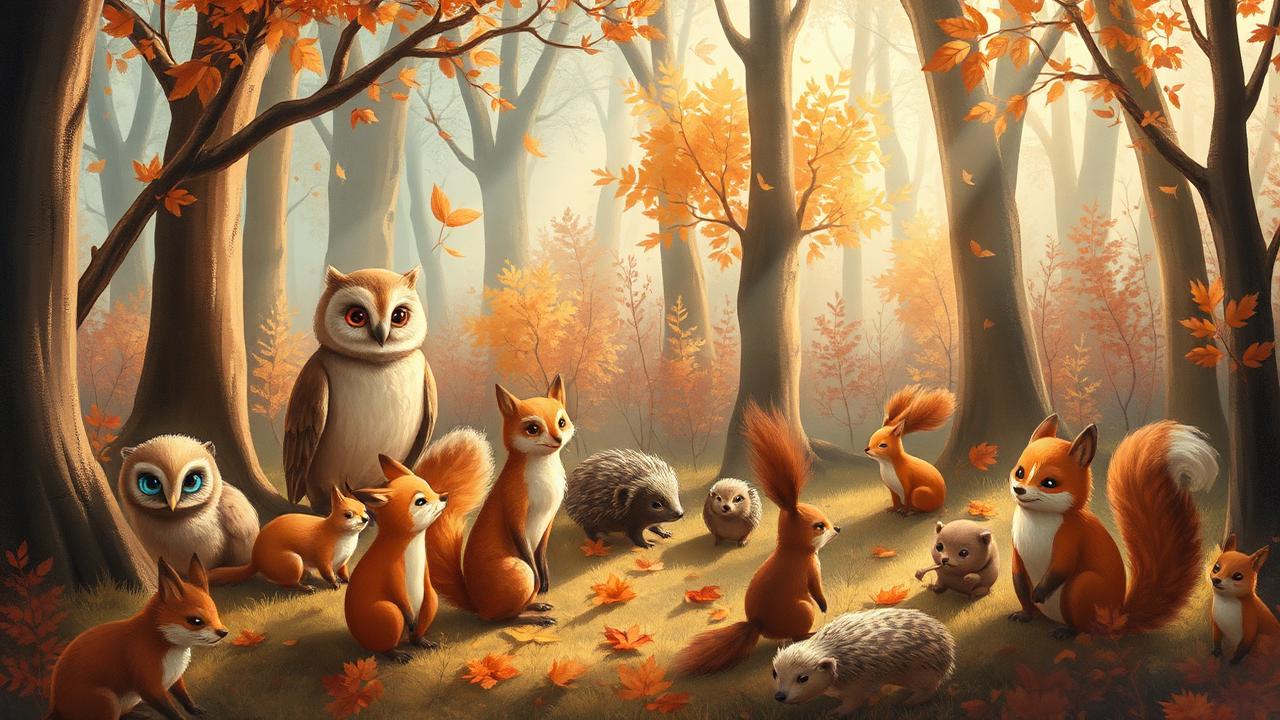
Fostering Compassionate Curiosity Through Imaginative Play
This scavenger hunt is masterfully crafted to subtly enhance a child's capacity for empathy and their ability to interpret environmental cues. The narrative—that woodland creatures need help finding their way home—provides a powerful, relatable scenario that taps into a child's natural inclination to nurture and protect. As they follow clues, children aren't just reading words; they are actively engaging in a simulated rescue mission. This engagement reinforces the idea that their actions have meaning and impact, even within a play context, building a foundation for prosocial behaviors.
Furthermore, the hunt requires sustained attention and careful observation. Each clue is designed to direct their gaze to specific natural details, prompting them to notice textures, shapes, and locations in their environment that they might otherwise overlook. This process of focused searching and matching clues to places in their physical world contributes significantly to developing early deductive reasoning and problem-solving skills, all while reinforcing a valuable lesson about caring for our natural neighbors.
Developmental Resonance Across Age Bands
For children aged 4-5, this hunt primarily fosters gross motor skills as they navigate the yard, practice pre-reading with visual clues, and develop early language skills by describing what they see. The simple goal of finding a 'lost' animal resonates strongly with their burgeoning sense of responsibility and imaginative play tendencies. The satisfaction of successfully locating each creature provides positive reinforcement, encouraging persistence.
Children aged 6-7 benefit from the more complex clue structures that introduce basic word recognition and pattern identification. The narrative of helping animals find their specific habitats reinforces early science concepts about ecosystems and animal needs. Their ability to follow multi-step instructions and connect different pieces of information to solve the mystery strengthens their sequential processing and critical thinking, moving beyond simple identification to true problem engagement.
For the 8-10 age group, the hunt can be enriched with more intricate riddles and opportunities for peer collaboration, promoting teamwork and advanced communication. They might be asked to infer geographical knowledge or consider the specific needs of each animal, elevating the activity from a simple search to a more nuanced exploration of ecological principles. This age group can also be encouraged to record their findings or even create additional clues, extending the learning organically.
Observable Growth in Practical Skills
Parents will frequently observe their children demonstrating enhanced 'active looking' – not just glancing, but sustained, focused visual searching. This hunt trains the eye to differentiate between similar objects, notice details, and connect observations to the larger context of the clue. This skill translates directly to academic tasks requiring close reading and data analysis.
A second noticeable skill is improved spatial reasoning and environmental mapping. As children interpret clues like 'look by the tall tree where nuts often fall,' they are building a mental map of their play space, understanding positions relative to landmarks, and developing a sense of direction. This is a foundational cognitive skill that supports everything from understanding maps to problem-solving in geometry.
Finally, the hunt nurtures a burgeoning sense of environmental stewardship. By engaging in a 'rescue' scenario where natural elements are integral to the solution, children begin to appreciate the living world around them not just as a backdrop, but as a dynamic system worthy of care. They learn concrete vocabulary for plants, animals, and habitats, deepening their connection to nature.
Extending Engagement Beyond the Hunt
Once the animals are safely 'rehomed,' the learning doesn't have to end. Encourage your child to draw the animals in their newly discovered habitats or write short stories about their adventures. This transition from active play to creative expression reinforces newfound vocabulary and allows them to process the narrative in a different, equally valuable way.
Consider visiting a local nature center or library to find books about real woodland creatures and their needs. This provides an opportunity to connect the imaginative play with factual information, solidifying the ecological concepts introduced during the hunt and fostering a lifelong love for learning about the natural world. Discussing what animals truly need to thrive in a real environment can be a powerful next step.
When This Adventure Might Not Align
While highly adaptable, this particular hunt might not be the best fit for children who have a strong aversion to outdoor play or natural elements (e.g., dirt, insects). The success of the activity relies heavily on engaging with the backyard environment, and forcing participation could detract from the intended benefits. If your child prefers purely indoor, abstract, or screen-based activities, a different hunt theme might be more immediately engaging.
Similarly, if your play space lacks sufficient natural features (trees, bushes, distinct garden elements), the clues referencing natural habitats might feel less intuitive or enriching. The magic of this hunt comes from interacting with a real, living environment, so an entirely concrete, limited outdoor space could diminish the immersive experience and the associated learning opportunities.
Frequently asked questions
Does this activity offer genuine learning beyond just fun?+
Absolutely. This hunt is carefully designed to promote critical thinking, observation, and empathy by presenting a meaningful mission. Children practice environmental literacy and problem-solving within a captivating narrative, ensuring robust developmental engagement.
Could an accomplished young reader still find this hunt stimulating?+
Yes, even advanced readers benefit. The hunt isn't solely about decoding words; it's about interpreting context, connecting clues to the environment, and engaging in imaginative play. For older children, you can add more complex riddles or layers of ecological challenges to deepen their engagement.
What if my child struggles with reading and gets discouraged?+
The clues are designed with flexibility. For reluctant readers, visual cues or simplified phrases can be emphasized. The hands-on nature of finding the 'animals' and the compelling story arc provide intrinsic motivation that often overrides initial reading frustrations, offering a low-pressure path to literacy engagement.
How does screen-free play like this truly aid a child's focus?+
Engaging with the physical world in a goal-oriented way, like this hunt, requires sustained, active attention to environmental details, unlike the passive or rapidly shifting focus demanded by screens. This direct interaction helps children develop longer attention spans and better concentration for real-world tasks.
Can this be integrated into a homeschool curriculum?+
Definitely! This hunt serves as an excellent hands-on component for a unit on local ecosystems, animal habitats, or environmental responsibility. It provides a tactile, experiential learning opportunity that complements textbook knowledge and scientific inquiry beautifully.
More adventures like Woodland Animal Rescue: Cultivating Empathy and Observation Skills
Explore more backyard scavenger hunt ideas
Hand-picked themed quests and seasonal adventures families love most.
Build your own Woodland Animal Rescue: Cultivating Empathy and Observation Skills
Generate a fully personalized version of Woodland Animal Rescue: Cultivating Empathy and Observation Skills — woven around your child's name, age, favorite characters and special touches, all inside this exact storyline.
Create This Custom Hunt →